

A home alarm system is an important part of a well-planned residential security setup. Rather than relying on a single security measure, homeowners can use alarms alongside other technologies and practical security habits to create a more considered approach to protecting their property.
Modern alarm systems can do more than sound a siren when an entry point is breached. Depending on the system selected, they can use different types of sensors, provide alerts, support remote monitoring and integrate with other security technologies. This makes the choice of system an important consideration for homeowners who want security that suits the way their property is actually used.
For anyone researching home alarm systems in NZ, the key is not simply finding a system with the largest number of features. The more useful approach is to understand how different systems work, what components are available and which features are relevant to the property.
Home alarm systems are electronic security systems designed to detect specific events and generate an alert. In a residential setting, this may involve detecting an opened door or window, movement within a protected area or another event identified by a connected sensor.
A typical system includes a central control panel that communicates with connected devices. Sensors positioned around the property detect activity, while the system determines how that activity should be handled according to its configuration.
Depending on the system, an alarm event may trigger a local siren, send an alert to a mobile device or communicate with a monitoring service.
The overall purpose is straightforward: provide an additional layer of awareness when something occurs within a protected area.
Alarm systems can also be designed around the characteristics of an individual property. A compact home with a small number of entry points will have different requirements from a larger property with multiple entrances, garages, outbuildings or several internal zones.
This is why residential security should be considered as a complete system rather than as a single product.
The basic operation of an alarm system begins with detection.
Sensors are positioned in areas where specific activity needs to be identified. For example, door and window sensors can detect an opening, while motion sensors can detect movement within designated areas.
When the alarm is armed and a protected sensor is activated, the system processes the event. Depending on its configuration, it may activate a siren and send an alert through an available communication method.
Some systems can also provide remote access through mobile applications. This can allow homeowners to receive information about the system when they are away from the property, although the exact functionality depends on the equipment and service configuration.
Monitoring is another option. A monitored system can communicate alarm events to a monitoring station, providing an additional layer of oversight.
Action Security provides alarm solutions with remote monitoring options and describes its systems as supporting instant alerts and 24/7 monitoring.
The important point is that an alarm system is not simply a siren. It is a combination of detection devices, control equipment, communication methods and user settings working together.
There is no single system that suits every property. Understanding the main categories can make it easier to compare different options.
Wired Alarm Systems
Wired systems connect sensors and other components through physical cabling. They can be particularly suitable where a property already has appropriate wiring or where a permanent installation is preferred.
Existing wiring can sometimes remain useful when an older system is upgraded, although it should be assessed to determine its condition and suitability for the new equipment.
Wireless Alarm Systems
Wireless alarm systems communicate between compatible components without requiring every sensor to be connected by physical cable.
This can provide greater flexibility when planning sensor locations, particularly in properties where extensive new cabling would be impractical. Wireless systems still need careful planning because sensor positioning, communication reliability and battery maintenance all matter.
Monitored Alarm Systems
A monitored alarm system can communicate alarm events to a monitoring station. This means the system is not solely dependent on someone being at home to notice an alarm.
Monitoring can be useful for homeowners who want an additional layer of oversight when the property is unattended.
Unmonitored Alarm Systems
An unmonitored system can still provide useful detection and local alerts without being connected to a professional monitoring service.
The appropriate choice depends on the homeowner's preferences, property requirements and desired level of remote oversight.
Smart and Connected Alarm Systems
Modern alarm technology can also connect with mobile applications and other security systems. Depending on the equipment, homeowners may be able to receive notifications, check system status or interact with parts of the security setup remotely.
Action Security also provides integrated security solutions where alarm systems can work alongside camera systems, access control and fire detection.
Understanding the main components can help homeowners assess what a particular system actually provides.
Control Panel
The control panel acts as the central point of the alarm system. It communicates with connected sensors and controls how the system responds to detected events.
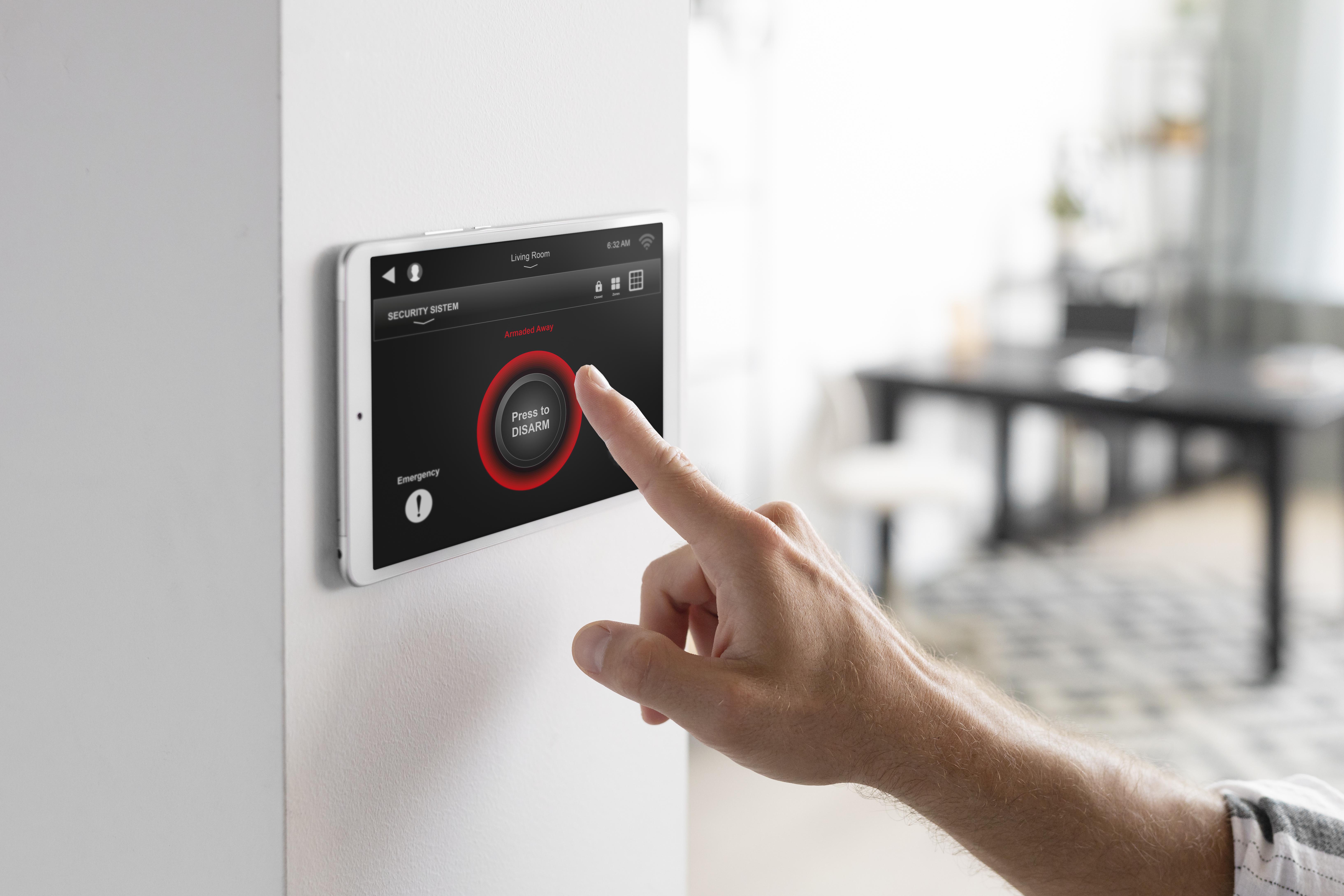
It may also provide information about the system's status and allow authorised users to arm or disarm it.
Door and Window Sensors
These sensors are commonly used to monitor access points. A sensor can detect when a protected door or window is opened while the alarm is armed.
The number and placement of these sensors should reflect the property's actual entry points rather than simply following a standard layout.
Motion Sensors
Motion sensors are designed to detect movement within selected areas. Their placement is important because the sensor needs to monitor the intended space without creating unnecessary false alarms.
Households with pets may need to consider sensor options specifically designed for environments where animals remain inside while the system is armed. Action Security notes that pet-immune movement sensors are available for this purpose.
Sirens
A siren provides an audible response when an alarm event occurs. Its purpose is to make the event noticeable and can form part of the system's immediate response.
Keypads and User Controls
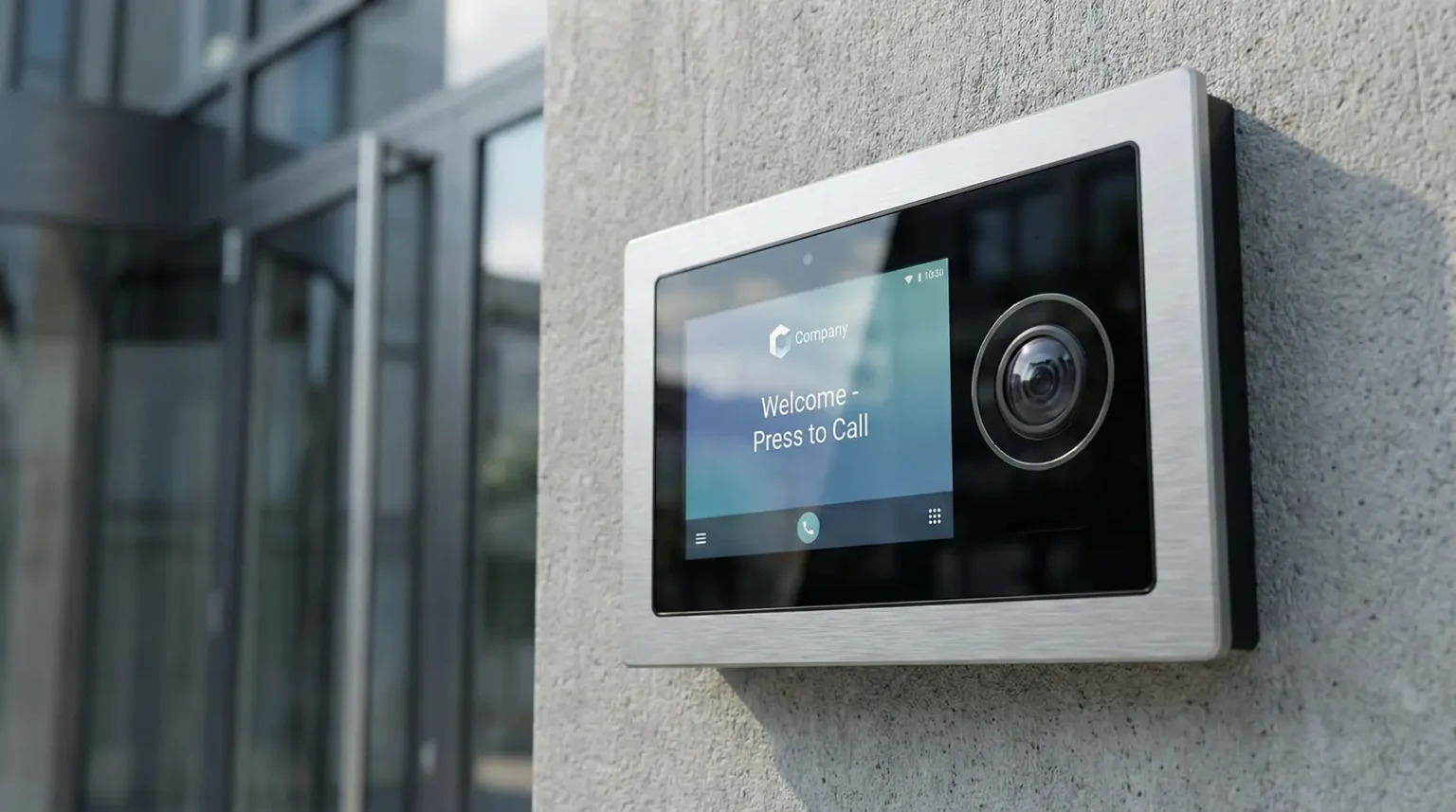
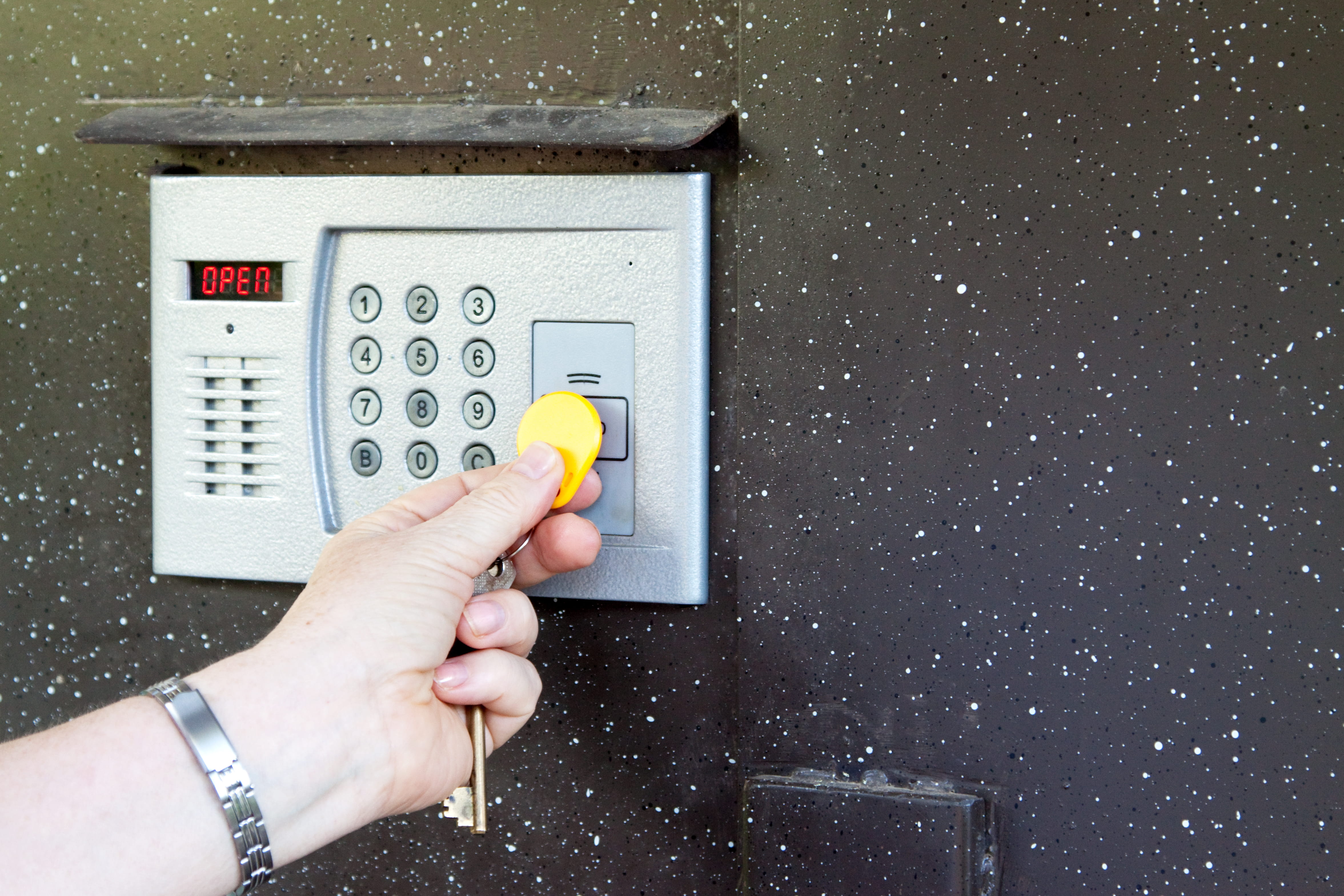
Keypads or other authorised controls allow users to interact with the alarm system. Depending on the system, additional controls may include remote devices or mobile applications.
The interface should be straightforward enough for everyone who regularly uses the property to operate correctly.
Searching for the best home alarm systems can produce a long list of products and features. However, more features do not automatically mean a system is more suitable.
Start with detection coverage.Consider which doors, windows, internal areas and other access points need protection. A system should be designed around the property's layout rather than around a generic list of devices.
Ease of use is another important consideration. An alarm that is difficult to arm, disarm or understand may become inconvenient in everyday life. The controls should fit naturally into the household's routine.
Remote connectivity can also be relevant. Mobile notifications may help homeowners stay informed when they are away, while professional monitoring can provide another level of oversight.
Integration is worth considering where other security measures are already installed or may be added later. An alarm system can potentially form part of a wider setup involving cameras, access control and fire detection.
Scalability is also useful for properties that may change over time. Additional zones, sensors or connected security technologies may become relevant if the home is extended, renovated or its use changes.
Maintenance should not be overlooked either. Batteries, sensors, communication equipment and other components need to remain in suitable working condition for the system to perform as intended.
The best alarm system for home in NZ homeowners can select is ultimately one that fits the property and the way it is used.
Start by looking at the physical characteristics of the home.
A property with several external doors, large windows, a garage and multiple levels may require a different approach from a smaller single-level home.
Next, consider household routines. Think about who uses the property, when it is occupied, which entrances are regularly used and whether certain areas need to remain accessible while the alarm is active.
Pets can also influence sensor selection. A household with an indoor dog or cat may need to consider how motion detection is configured to reduce unwanted activations.
Technology preferences matter as well. Some homeowners may value straightforward controls, while others may prefer mobile connectivity and integration with other security equipment.
It is also useful to consider future requirements. If cameras, access control or additional detection systems may eventually be added, compatibility can be an important part of the decision.
The best house alarm systems are therefore not necessarily the systems with the longest feature lists. Suitability comes from matching the system's capabilities to the property's actual security requirements.
Alarm installation involves more than attaching sensors to walls.
The system needs to be planned around the property's layout, access points and areas requiring detection. Sensor positioning needs to be considered carefully so that important areas are covered while unnecessary activations are avoided.
Installation also involves configuring the system, connecting its components and testing that the equipment communicates correctly.
Action Security describes its process as beginning with consultation and a tailored security plan, followed by professional installation and ongoing support and maintenance.
Professional setup can also be particularly relevant when an alarm system forms part of a wider security network. Cameras, access control and fire detection may need to work alongside the alarm system, making system compatibility and configuration important considerations.
Homeowners should also understand how to operate their alarm after installation. Knowing how to arm and disarm the system, respond to alerts and identify basic system notifications can help ensure it remains practical for everyday use.
Installing an alarm is only one part of managing residential security. The system should remain in suitable working condition over time.
Battery condition is one consideration. A recurring beep or chirp from a keypad can indicate that an alarm battery requires attention, although the exact cause should be assessed rather than assumed. Action Security recommends professional attention for panel battery replacement.
Homeowners should also pay attention to unusual sensor behaviour, communication errors or repeated false alarms. These issues can indicate that a component requires inspection or adjustment.
Regular maintenance can help identify developing issues before they affect the system's operation.
If a property is renovated or its use changes, the alarm layout should also be reviewed. New doors, altered room layouts or additional areas may affect the original security design.
An alarm system works best as one component of a broader approach to residential security.
Locks and secure doors can help control physical access. External lighting can improve visibility around entrances and other areas. Security cameras can provide visual information, while access control can help manage who is permitted to enter particular areas.
These technologies can complement one another.
For example, an alarm can identify a detected event, while a camera may provide visual information about what is happening. Where systems are compatible, integrating technologies can create a more connected security setup.
Action Security states that its alarm systems can integrate with cameras, access control and fire detection systems.
The aim is not to add technology simply for the sake of having more devices. Each component should have a clear purpose within the property's overall security plan.
Choosing home alarm systems in NZ homeowners can rely on starts with understanding the property rather than searching for a universal product.
Consider the areas that need protection, the number of access points, the property's layout and the household's daily routine. Then consider the level of detection, remote alerts, monitoring and integration that makes sense for the situation.
It is also worth thinking about how the system will be used every day. Simple controls, suitable sensor placement and clear alerts can be just as important as advanced features.
For homeowners considering a professionally designed alarm solution, Action Security provides residential alarm systems and related security services in Christchurch and throughout its service area. Its alarm service includes options ranging from motion detectors and door and window sensors to multi-zone systems, with integration available alongside other security technologies.
The right approach is one that provides appropriate detection for the property, fits the household's routine and can be managed effectively over time.
Home security is not identical from one property to another. A system that works well in one home may not provide the same practical solution for another because layouts, entry points, household routines and security requirements can vary considerably.
Understanding the differences between wired and wireless systems, monitored and unmonitored options, standard sensors and connected technology can make the selection process clearer.
For homeowners researching alarm systems in NZ options, the most useful starting point is a property-specific assessment. From there, the system can be planned around the areas that require detection and the features that will genuinely be useful.
Action Security provides alarm installation, support, maintenance and system upgrades, with alarm solutions designed for both residential and commercial properties. If you are considering an alarm system for your property, you can Contact Action Security to discuss your security requirements and explore a suitable approach.