Locking the front door at 5 pm isn’t workplace security. Not really.
Your business has staff, contractors, couriers, and visitors walking in and out all day, and somewhere in the building there’s equipment, paperwork, and stock that needs to stay put. Keeping track of who can go where gets messy fast.
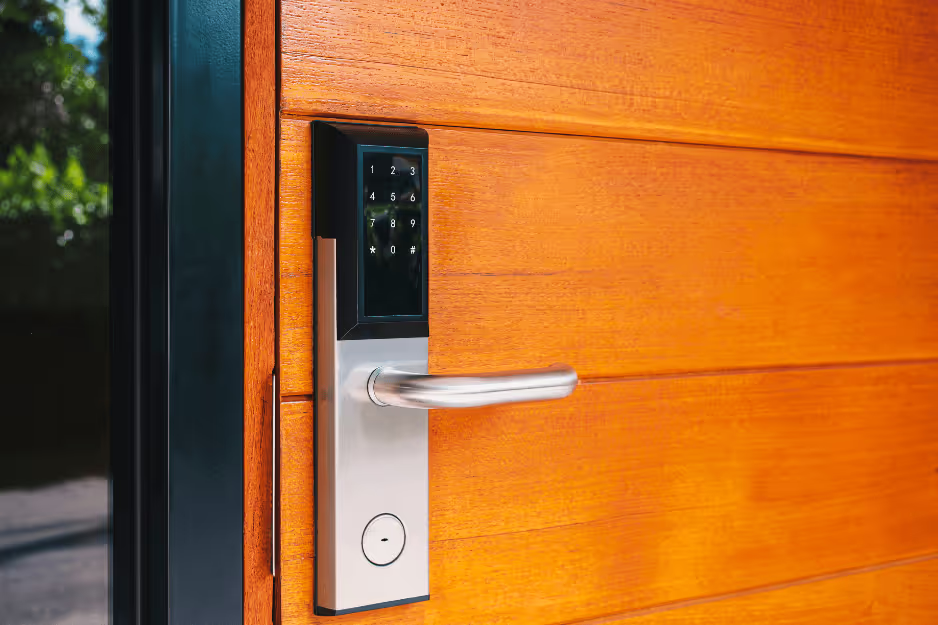
An access control system fixes that. Instead of leaning on a ring of metal keys, you use PIN codes, cards, fobs, or fingerprints to decide who gets through which door. Only the right people get in.
Modern workplace security systems give you more control, more convenience, and a clearer picture of what’s happening at your doors. Action Security installs access control for residential and commercial properties, so you can choose a setup that fits how your business runs.
Below, we look at how commercial access control systems work and what they actually do for you.
It’s a system that decides who can open a door. Simple as that.
It replaces or sits alongside your normal locks, and it lets you set permissions person by person. Say you run an office where everyone needs the main entrance, but only two people should get into the server room, and only the manager needs the finance office. One key for everybody won’t do that. An electronic access control system will.
You’ve got plenty of ways to set it up:
Which one suits you comes down to your building, your headcount, and what you’re protecting.
Keys are a headache. They get copied, lent out, left on café tables, and handed to someone’s cousin “just for the weekend”. You never really know who’s holding one.
With electronic access control, you issue credentials to the people who should have them, and nobody else. Staff use the main entrance. Visitors go through reception. The area with the expensive gear stays closed to anyone who doesn’t need it.
Most businesses only think about this after something goes missing. Better to sort it out before.
If you want to tighten up what you’ve already got, commercial access control systems are a good place to start.
Does your whole team really need to get into the stockroom?
Probably not. Your IT person needs the server room. The warehouse manager needs the stock area. Everyone else needs the general office, and that’s it.
Building access control systems let you set different permissions for different spaces, so people only reach the areas that matter to their job. Fewer people with access means fewer chances of something walking out the door.
It won’t replace good habits, of course. Staff training and sensible visitor rules still matter. But it gives those habits something solid to work with.
Picture a busy commercial building. Suppliers arriving, a plumber upstairs, a client waiting in reception, and three departments each with their own needs.
Chaos, unless you’ve got a plan.
Access control lets you give each person the entry they need and no more. Staff get credentials that match their role. Visitors get temporary access or are let in by reception. Say a contractor is coming in to service the air conditioning. He needs one floor for one afternoon, so that’s all he gets.
It keeps things tidy, and it makes your business look organised to anyone walking through the door.
Something’s gone missing from a locked room. Who was in there?
Many electronic systems keep a record of entries, and some log denied attempts too. If you’ve ever had to piece together a timeline from memory and guesswork, you’ll know how useful that is. You can see which credential opened which door and when.
Those records also show you where your permissions need adjusting. Maybe someone has access they never use. Maybe nobody can reach somewhere they should.
One caution. The records are only useful if your system actually reports properly, and if someone looks after the data. Set clear rules on who sees it and how it’s stored, and respect your staff’s privacy.
People come and go. It’s just how workplaces are.
Now think about a staff member who leaves on bad terms and never hands back the key. With traditional locks, you’re either crossing your fingers or paying for a locksmith. Neither is great.
With electronic access, an administrator deactivates their credential. Done in a minute. Same goes for someone moving departments: you adjust their permissions and carry on.
Ever tried tracking down who still has the old office key? Exactly. Access control saves you from that conversation. The exact options depend on your equipment, but the principle holds whether you’ve got ten staff or two hundred.
Your building doesn’t stop needing security at 5.30 pm.
Offices and warehouses sit empty for long stretches, and that’s when you most want tight control. You can set permissions by person, door, and time of day. Your cleaner who comes in at 6 pm? She gets in through the right door, during her window, and nowhere else. Your day staff aren’t wandering back in at midnight.
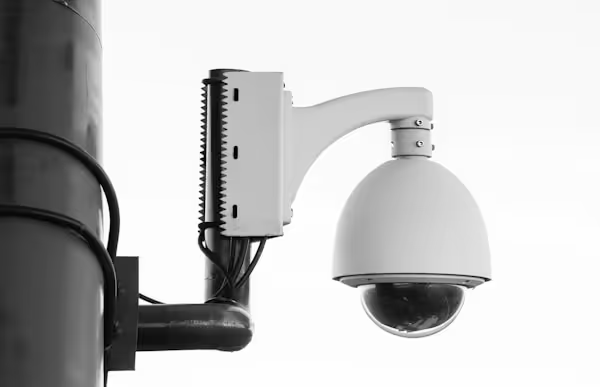
It also plays well with the rest of your security. Alarms, cameras, and intercoms can often work alongside access control, though how well depends on the equipment you’ve got.
Action Security offers all of these (access control, alarms, cameras and intercoms), so you can look at the full picture in one conversation.
Keys still have their place. Nobody’s saying throw them all out.
But think about a busy workplace. A manager can’t remember who has the stockroom key. A contractor gets handed a spare and quietly makes another copy. Someone loses a set, and nobody’s sure whether to change the locks or just hope for the best.
A door access control system sidesteps all of that. Lose a card or fob? Cancel it and issue a new one. The lock stays as it is. Need one person to open five doors? Put the permissions on one credential instead of carrying five keys.
It’s less fiddly, and you stay in charge.
Access control is good. It isn’t magic.
It stops the wrong people walking through a door, but it won’t deal with every risk. You still want decent lighting, trained staff, sensible visitor rules, cameras and an alarm. Each piece covers a gap the others can’t.
Picture it working together. The access control system limits who gets in. CCTV shows what’s happening around your entrances. The alarm alerts the right people if something goes wrong.
What you need depends on your property, your business, and what’s worth protecting. Get some proper advice before you buy. Spending money on gear you don’t need is a waste.
Start with how your workplace actually runs. A small office has different needs from a warehouse or a multi-storey building, so there’s no one-size answer.
Here’s what to think through:
And think ahead. You’ll probably grow, add doors or change staffing at some point, so choose something that can cope with that.
A good access control system keeps restricted areas restricted, makes staff changes easy, tightens up your visitor process, and shows you who’s been through your doors. Less key juggling. More control.
That said, the right setup depends on your building, your people, and your risks. Equipment matters, but so does getting it installed and configured properly.
Action Security supplies access control for residential and commercial properties, with keypad, card reader, and biometric options. The team can look at what you need, plan the installation, and work out how it fits with the security equipment you already have. Ongoing support and maintenance keep everything running as it should.
Want to sort out who can get into your business? Have a look at Action Security’s access control systems or contact the team and talk it through.