

Here’s how most commercial break-ins go. There’s a gap in the fence nobody fixed. Or a gate that doesn’t quite latch. Or a back corner of the yard the cameras don’t reach. Nothing clever, just an opening. Getting your security fencing for commercial properties in New Zealand right is mostly about closing those openings before someone finds them.
And no, there isn’t one fence that suits everybody. A timber yard in an industrial block has different needs from an office with a staff car park. What you store, where you’re based, how busy the site gets, and how much upkeep you’ll realistically do all matter. So let’s go through it.
A fence is your first line. It gives the property an edge, and it makes walking in uninvited a bit more of a hassle. If you’ve got machinery, tools, vehicles, or stock outside, that hassle counts for a lot.
It’s not only about thieves, though. A fence keeps people out of hazardous areas and separates the public from staff-only zones. It also funnels vehicles and foot traffic through set entry points, which gives your CCTV and access control something to work with.
Take a warehouse. Loading bays and a storage yard need a real perimeter. An office is different, since controlled vehicle access and a clear car park boundary might be the priority there. In both cases, pick the fence for the risks you’ve actually got. And don’t lean on it alone.
Before you look at a single product, work out what you’re protecting. Otherwise you’ll end up paying for features you don’t need, or a fence that’s too light for the job.
Walk the boundary. Properly, not a glance from the car park. Look for damaged sections, entrances that don’t lock well, dark corners, and anywhere you can’t see from inside. A shop may worry most about stock and the back door. An industrial site might leave vehicles and materials outside overnight.
Ask yourself a few things:
Your answers shape the height, materials, and gate design. For higher-risk premises, a professional security assessment before you install is worth the time. Action Security offers in-person consultations where the team looks over your property and talks through your options.
Every option trades something off. Visibility, durability, cost, and how it handles climbing or cutting.
Chain link is the old workhorse. It covers a big outdoor area without fuss; you can see through it, and it’s relatively economical. You’ll spot it around commercial yards, depots and industrial sites, and it’s easy to look after.
The catch is that standard chain link may not hold up against climbing or cutting the way a specialised high-security system can. If you’re storing high-value equipment, check whether you need something stronger.
Security mesh uses rigid or tightly spaced panels, so it feels more solid. Depending on the product, climbing and cutting get harder, and you keep your line of sight. That’s handy for warehouses and distribution facilities, and cameras like it too.
When comparing products, look at panel construction, wire thickness, aperture size, fixings, and corrosion resistance. Small details, but they affect how it ages.
Palisade is vertical steel sections, and it looks serious. The design can put people off climbing, so it suits equipment yards, utility sites, and anywhere perimeter protection is the priority. It’ll likely cost more than simpler options. Ground conditions, height and total length all push the price around.
Steel gives you a durable, solid boundary in plenty of designs, from purely functional to something that looks decent out the front. If you’re after steel fencing in NZ, pay close attention to the finish and corrosion protection, particularly if it’ll cop rain, moisture or coastal air.
Height decides how easy it is to get over. Taller isn’t automatically better, though. It depends on your risk, what’s inside, and what local rules say. A low-risk boundary can be fine with a standard fence, but a warehouse full of valuable gear may want something taller and tougher to climb.
Design matters just as much. Think about footholds, panel strength, and whether staff and cameras can see through it. And check for gaps underneath. One gap can undo the whole fence.
Before you settle on anything, look at local planning rules, boundary restrictions and any limits on extra deterrents. The fence shouldn’t create hazards for staff, visitors or the public.
Our weather is rough on metal. Parts of the country are wet and windy, and near the coast the salt in the air speeds up corrosion.
Galvanised steel and suitably specified corrosion-resistant coatings can help protect metal fencing from rust. Close to the sea? Ask your provider whether the materials and fixings suit salt-laden air. On an exposed industrial site, ask about wind loading and ground conditions too.
Installation counts as much as the product. Posts need solid anchoring, and foundations should suit the ground. Spending a bit more on something durable can save you from early repairs and replacement costs later.
A strong fence means little if the gate’s badly designed or propped open all day. Treat your entry points as part of the perimeter.
Automated Gates
Automated gates make vehicle access easier at warehouses, yards and commercial car parks. Sliding gates work where space is tight. Swing gates suit sites with room to operate them safely.
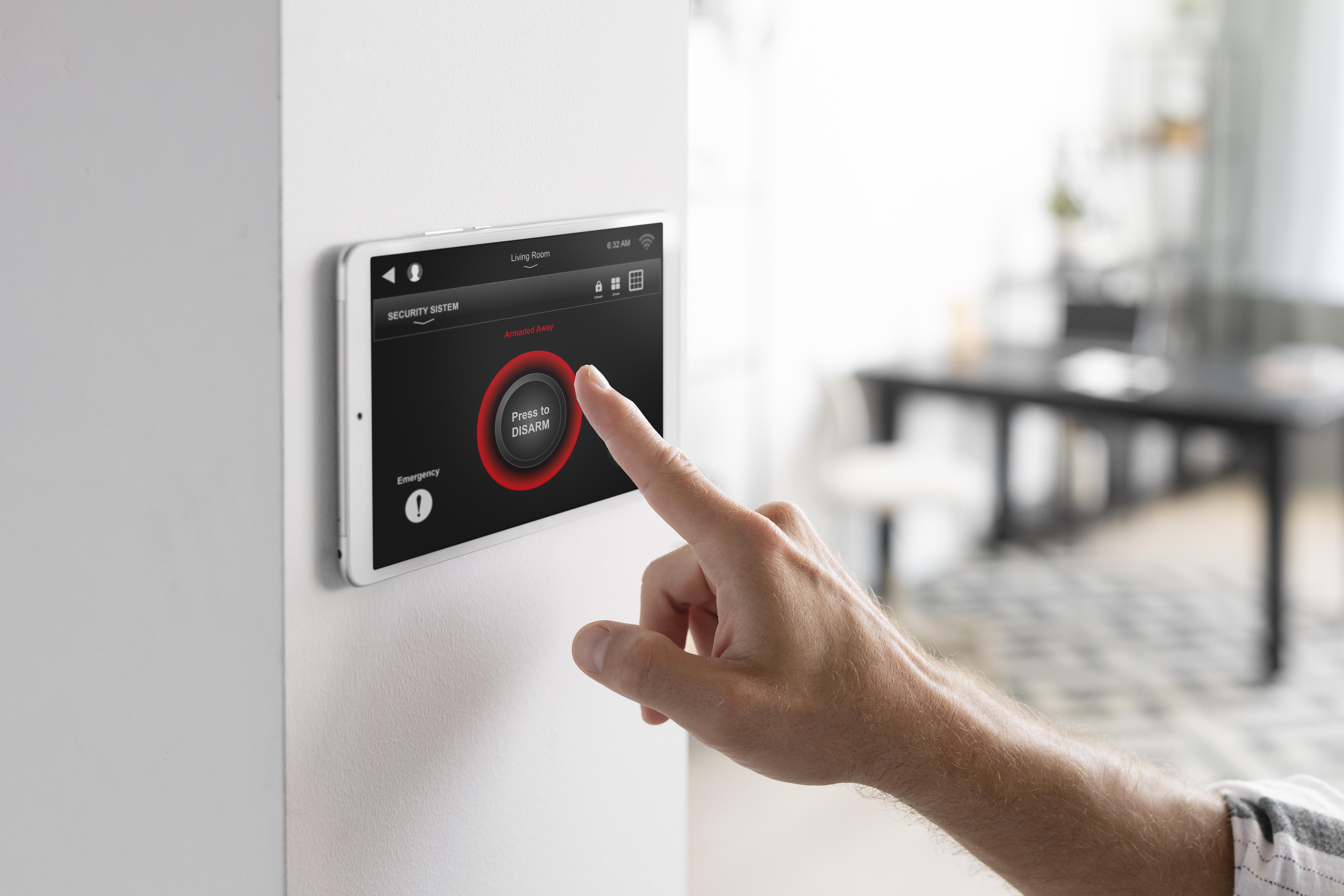
Keypads, access cards, RFID credentials or biometric readers let you limit entry to authorised people. You’ll lean less on shared keys, and changing permissions when someone’s role shifts is much simpler. Action Security’s access control systems cover keypads, card readers and biometric options.
Barrier arms suit car parks and managed vehicle entrances where traffic needs controlling. They’re not a stand-in for a secure fence or proper gate when you need stronger physical protection.
Action Security provides fencing, automated gates, barrier arms, and access control through its commercial security services, if you’d like to see how an integrated setup might look.
A fence on its own says nothing. It might put off a casual intruder, but it won’t tell you someone’s tried to get in.
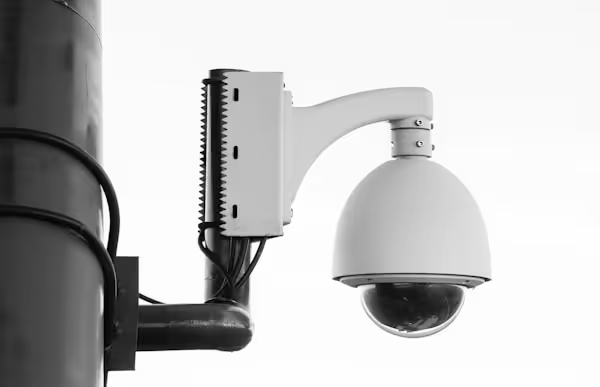
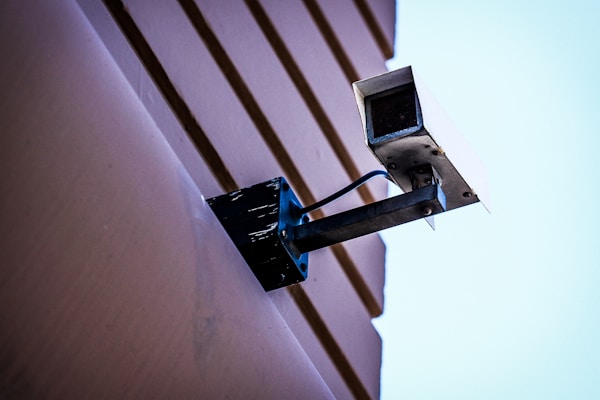
CCTV can cover entrances, loading zones, and the weaker parts of your perimeter. Placement is where people slip up. A camera in the wrong spot gives you blind spots and footage you can’t use. Alarm systems add another layer, and decent lighting around gates and boundaries helps cameras pick up clearer images at night.
Action Security also offers cameras, alarm systems and access control for businesses in Christchurch and Canterbury, so you can look at them together with your fencing instead of as separate jobs. If you’re still deciding how far to go, its post on why every business in Christchurch requires security systems is a useful read.
Commercial security fencing costs vary with property size, materials, height, and how fiddly the install is. The cheapest quote isn’t always the best deal once repairs and replacement come into it.
When quotes land on your desk, compare:
Ask each provider to spell out exactly what’s included. People often go with the lowest price when the quotes don’t cover the same thing. Also think about disruption. On a busy yard, staging the work can keep deliveries and staff moving.
Before work starts, confirm the design meets the requirements for your property. You may need to look at district plan rules, height restrictions, boundary locations, easements and building or resource consent. Don’t just assume you can build to any height, or right on the boundary. If you lease the site, get your landlord’s approval first.
Electric fencing, barbed wire and other specialised deterrents can come with extra requirements, so check New Zealand regulations and local rules before adding them. Getting advice early can save you from costly changes later.
Even a good fence needs a look now and then. Loose fixings, damaged mesh, corroded posts, and gates that won’t latch slowly wear your protection down. On a regular walk-round, check for:
Fix small problems early, and they stay small. And rethink your security whenever you expand storage, change how people access the site, or start holding more valuable assets.
A fence is a good start, but it’s one piece of the puzzle. Action Security has provided security and alarm solutions to residential and commercial customers in Christchurch and Canterbury for decades. Its services include fencing, automated gates, barrier arms, CCTV, alarm systems and access control. You can read more about the team on its website.
That range helps if you want to see how your perimeter fits with everything else. Whoever you choose, talk through your site layout, access needs, risk profile, and budget first. You can learn more at actionsecurity.co.nz or get in touch with the team.
Choosing security fencing for a commercial property takes more than picking a material and comparing prices. Think about what you’re protecting, where you are, the weather and the upkeep.
Chain link may suit large yards. Mesh balances visibility and protection, and palisade or heavier steel may suit higher-risk premises. Pair your fencing with secure gates, access control, CCTV and alarms; check local requirements before installing; and compare quotes on specification and overall value.