

An intercom system in NZ solution can be designed around much more than a single front door. The way people approach a property, the distance between an entrance and the main building, the number of access points and the environment around each location can all influence how an intercom is planned and used. Understanding these practical details can help homeowners, property managers and businesses determine what an intercom setup needs to do before installation begins.
An intercom provides a dedicated way to communicate between an entrance and another location on a property. Depending on the system, this may involve audio, video, internal stations, network connectivity or a mechanism for operating a compatible door or gate release. The most suitable arrangement depends on the property itself rather than simply selecting a particular type of device.
An intercom system usually consists of several components that work together to provide communication at an entrance. The exact configuration can vary depending on the property, the number of access points and how the system is intended to be used.
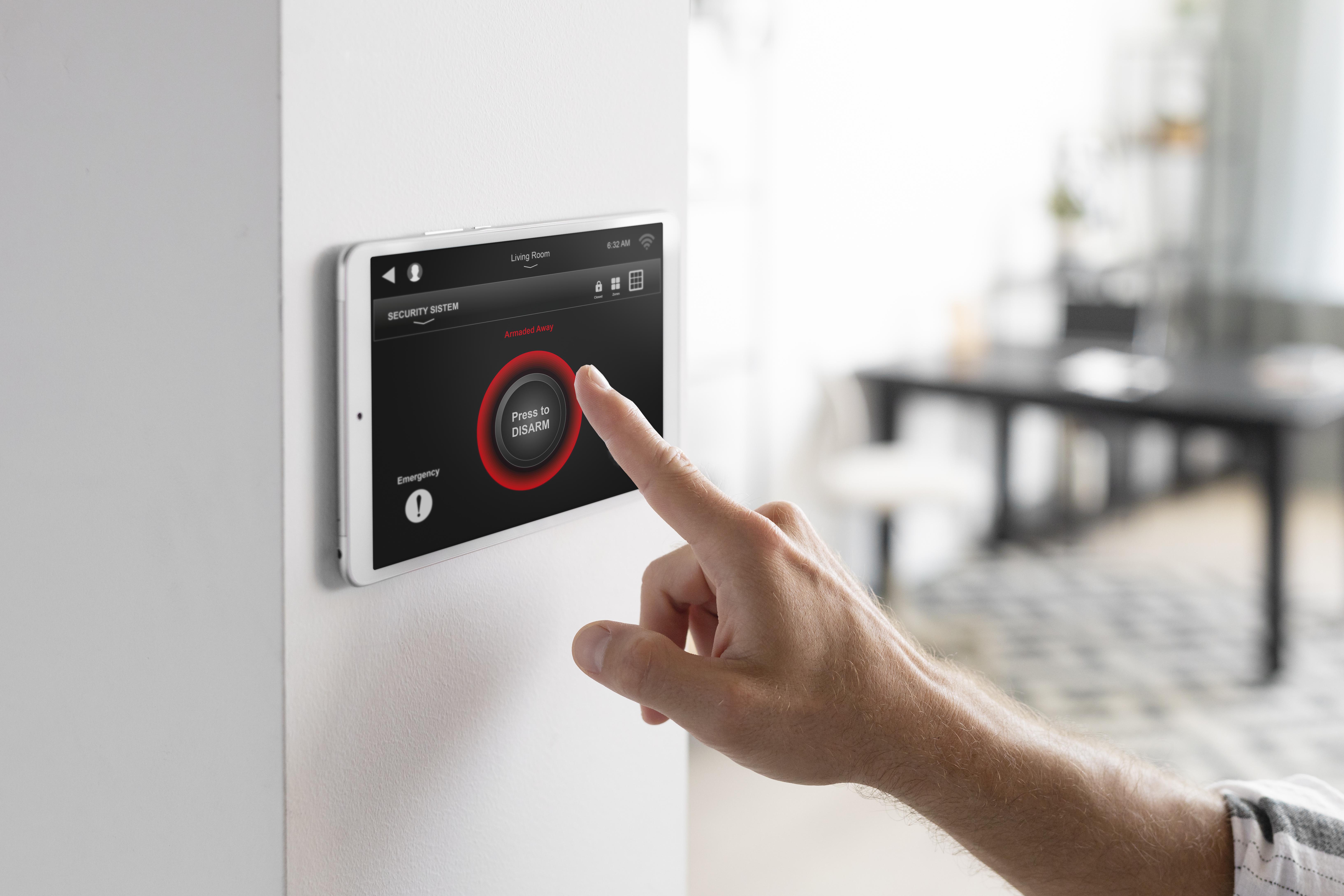
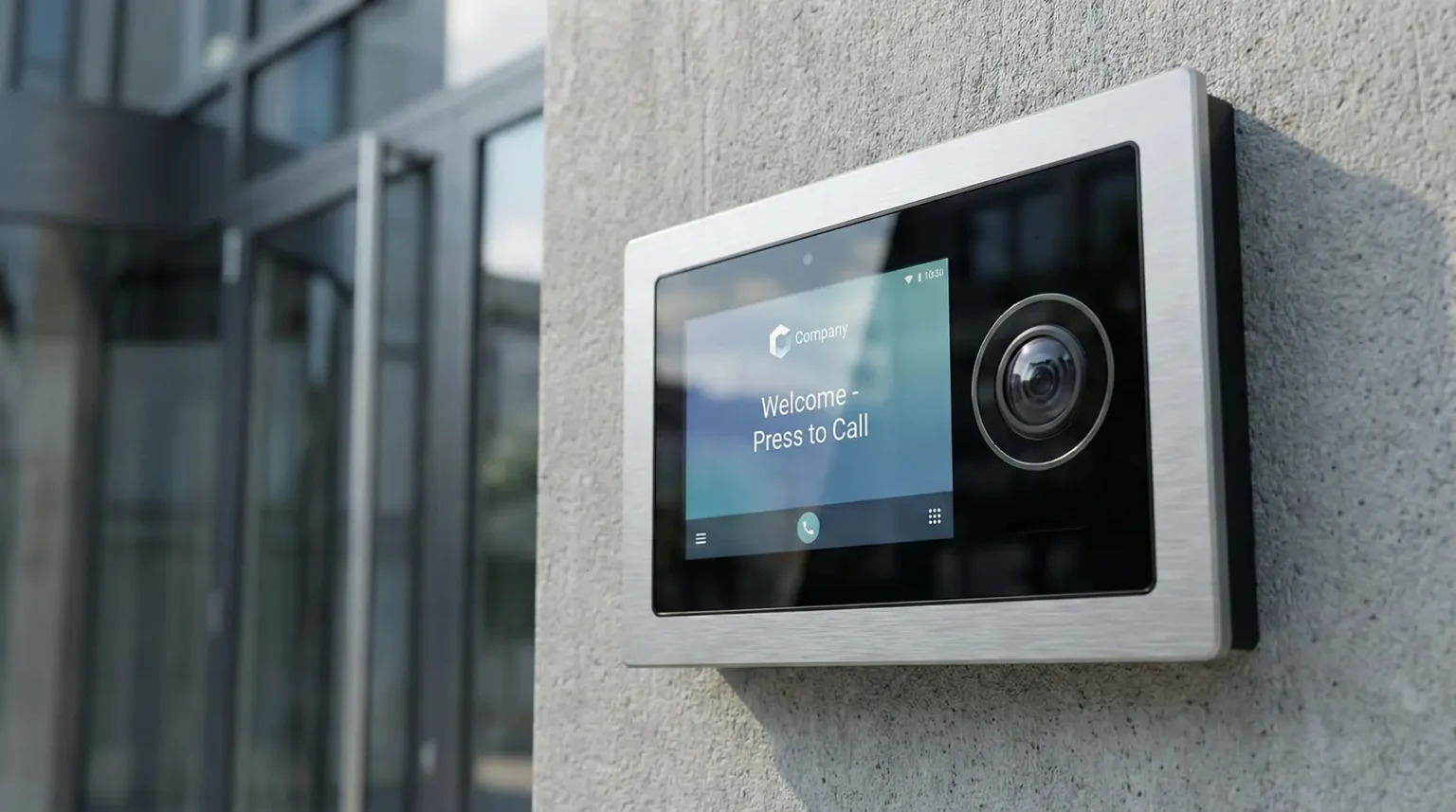
An external entry station is commonly positioned where visitors arrive. It may include a microphone and speaker for two-way communication and, where applicable, a camera. Inside the property, an internal station or monitor can allow a resident, receptionist or staff member to answer the call.
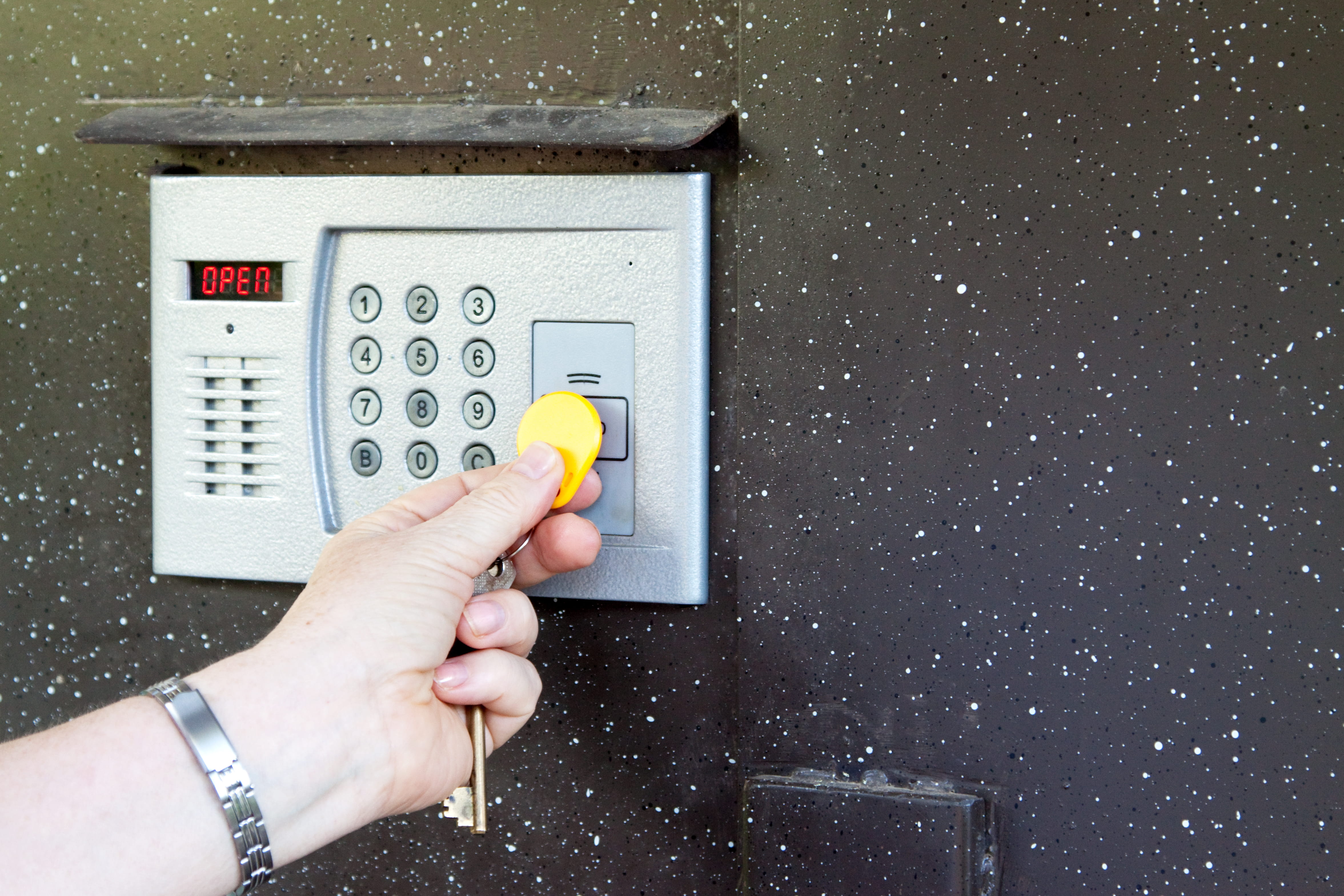
Some installations may also include a door or gate release mechanism. Where compatible equipment is installed, this can allow the person answering the intercom to operate an appropriate entry point from their station.
Cabling, power supplies and network connections can also form part of the wider installation. Modern intercom technology can use different communication methods, so the supporting infrastructure needs to suit the system being installed.
Understanding these components makes it easier to discuss an intercom system with an installer because the conversation can focus on how each part needs to work together.
An intercom allows communication between an entrance station and one or more designated answering points within a property. The exact process depends on the type of system and how it has been configured.
With an audio intercom, a person at the external station can speak with someone inside through a microphone and speaker. If the system includes video, the internal user may also be able to view the relevant entrance through a monitor or connected device.
Once communication has been established, the person answering can respond to the visitor and determine the appropriate next step. Where a compatible door or gate release mechanism is part of the installation, the entrance may be operated from the answering station.
Different properties can therefore use the same basic intercom principle in different ways. A home intercom system in NZ setup may connect a driveway gate with the main house, while a commercial installation could connect an external entrance with a reception area.
The system's components need to work together so that communication takes place clearly between the relevant locations. This makes the positioning of the external station, internal station and supporting infrastructure an important part of the overall design.
The most useful position for an intercom is usually determined by where communication needs to take place.
Possible locations include:
• Main residential entrances
• Pedestrian gates
• Driveway gates
• Side entrances
• Apartment entry points
• Reception entrances
• Staff entrances
• Warehouse access points
• Commercial building entrances
• Other controlled access points
A house intercom system does not necessarily have to be located at the front door. A property with a detached garage, long driveway or separate pedestrian entrance may require communication at another point.
The same principle applies to commercial premises. A business with several entrances may need to consider which locations require direct visitor communication and where internal answering stations should be positioned.
The physical relationship between each entrance and the occupied areas is therefore an important part of planning. An intercom station needs to be positioned where visitors can use it easily and where the person answering can communicate comfortably.
An outdoor intercom system needs to be planned with its installation environment in mind. Unlike an indoor station, an external unit may be exposed to changing weather conditions, sunlight, moisture, dust and physical contact.
Position is particularly important. The station should be located where visitors can readily find and operate it while allowing the internal user to communicate effectively.
The surrounding environment can also affect communication. Excessive background noise, nearby traffic or wind exposure may make conversations less clear. Lighting conditions should also be considered where the system includes a camera.
An external station may need appropriate physical protection depending on its location. A unit positioned beside a sheltered entrance has different environmental considerations from one installed on an exposed driveway gate.
The distance between the outdoor station and the main building can also influence installation planning. Long driveways, detached buildings and separate entrances may require additional consideration of cabling or connectivity.
For this reason, an outdoor intercom should be assessed according to the actual installation environment rather than treating every external location as the same.
There is no single layout that applies to every property. An intercom system in NZ installation can look quite different depending on the building and how different areas are accessed.
Standalone Homes
A straightforward home may need communication between the main entrance and an internal location. The arrangement can become more involved where the property has a separate driveway gate, pedestrian gate or detached area.
For homeowners considering a home intercom system, the main planning consideration is how the entrance is positioned in relation to the areas where residents spend their time.
Townhouses
Townhouse developments can have individual entrances as well as shared access areas. This can create different communication requirements from those found at a standalone property.
The intercom arrangement may need to account for the relationship between private entrances and shared areas rather than treating the development as one conventional home.
Apartment Buildings
Apartment buildings can have shared external entrances, multiple residences and internal access points. An intercom arrangement may therefore need to support communication between a common entrance and individual apartments or another designated answering location.
The number of residents and entry points can influence the overall system structure.
Offices and Retail Premises
A smaller office may only need communication at one entrance, while a larger premises may have separate staff, visitor and service entrances.
Retail properties can similarly have different access points depending on the building layout. An intercom can be positioned according to where communication is required rather than automatically being installed at the main public entrance.
Warehouses and Industrial Properties
Large commercial or industrial sites may have greater distances between entrances and occupied areas. Vehicle access, pedestrian access and separate operational areas can all influence where intercom stations are required.
The installation may need to account for the physical scale of the site and how employees, contractors and other visitors approach different areas.
Mixed-Use Buildings
A building containing residential and commercial areas may have several different types of occupants and entrances.
Separating communication requirements by access point can help create a more practical system design, particularly where different areas of the property are used for different purposes.
The communication method is another consideration when planning an intercom.
An audio-only system focuses on voice communication. This can be appropriate where users primarily need to speak with someone at an entrance.
Video adds visual information to the interaction. Rather than relying only on voice, the answering user may also have a view of the relevant entrance area.
Hands-free operation can be useful where users need to communicate without continuously holding a handset. The practical value depends on the location, the users and how the system will be operated throughout the day.
The important consideration is not simply whether one format has more features. It is whether the communication method matches the way people will actually use the property.
For example, a household may have different requirements from a reception area where staff regularly need to answer visitors while continuing other tasks.
Many modern intercom systems can communicate using network infrastructure, particularly where additional connected functions are required.
This means the existing network environment can become relevant during planning. Factors such as the location of network equipment, available connectivity, distance between devices and the structure of the building can influence how a system is configured.
For a home intercom system in NZ installation, connectivity may need to be considered where the system involves more than a basic internal and external station arrangement.
Commercial properties can have more complex infrastructure, particularly where several entrances or internal locations need to communicate through the same system.
Connectivity can also become relevant when an intercom needs to work alongside other compatible security equipment. The important point is to consider the existing infrastructure before installation rather than assuming that every property can support the same arrangement.
Action Security can assess the property's existing infrastructure and intercom requirements to help determine the connectivity and system configuration appropriate for the installation
An intercom should be straightforward for the people who will operate it. The placement of external controls, internal stations and displays can influence how convenient the system is during everyday use.
External controls should be easy for visitors to identify and operate, while internal stations should be positioned where users can respond comfortably when a call comes through.
Clear audio is also important. Microphone and speaker positioning can influence communication, particularly in areas with background noise. For systems with screens, surrounding lighting and reflections should also be considered.
Accessibility is another practical consideration. Reachable controls, clear instructions and an intuitive operating process can make an intercom easier for a wider range of users.
Before installing an intercom, property owners can identify several practical details that will help define the required setup.
Consider:
• Where do visitors normally arrive?
• How many entrances need communication?
• Is there a pedestrian gate, driveway gate or separate entrance?
• Where will the person answering the intercom normally be?
• How far is the entrance from the main building?
• Is existing cabling available?
• Is suitable power available at the relevant locations?
• Does the property already have connected security equipment?
• Will more than one person need to answer calls?
• Could the property's layout or use change in the future?
These questions can help establish the communication requirements before equipment is selected.
For example, a home with a front-door entrance may require a relatively simple arrangement, while a larger property with several gates and buildings may require multiple stations and more carefully planned connectivity.
It is also useful to consider how the property may be used in the future. An entrance that is rarely used today could become more important after a renovation, change in tenancy or alteration to the property's access arrangements.
Planning these factors before installation can help ensure that the selected system is suitable for the way the property operates rather than being based only on its current physical appearance.
Action Security provides intercom solutions for properties with different communication and entrance requirements. Planning can take into account the property's layout, relevant access points and how the intercom is expected to be used.
For homeowners considering a home intercom system or businesses planning communication at a commercial entrance, professional assessment can help establish an appropriate arrangement before installation begins.
An intercom works as part of a wider property access setup, so the external stations, internal answering points, connectivity and any compatible entry mechanisms need to be considered together.
Whether you are planning an intercom for a residential entrance, driveway gate, apartment building or commercial property, understanding these practical requirements can make the installation process clearer. To learn more about intercom solutions available for New Zealand properties, Contact Action Security.